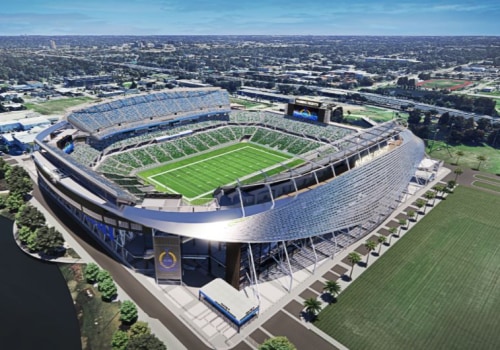
The Influence of College Football on Local Communities in Florida is a topic that resonates deeply within the hearts of many Floridians. College football is more than just a sport; it is a cultural phenomenon that brings together communities, ignites local pride, and fuels economic growth. From the sun-soaked stadiums in Gainesville to the vibrant tailgating scenes in Tallahassee, the impact of college football stretches far beyond the gridiron. In Florida, where college football programs like the University of Florida Gators and Florida State Seminoles boast passionate fan bases, the game serves as a unifying force. Every fall, thousands of fans don their team colors, gathering to celebrate their shared love for the sport. is a topic that resonates deeply within the hearts of many Floridians. College football is more than just a sport; it is a cultural phenomenon that brings together communities, ignites local pride, and fuels economic growth. From the sun-soaked stadiums in Gainesville to the vibrant tailgating scenes in Tallahassee, the impact of college football stretches far beyond the gridiron. In Florida, where college football programs like the University of Florida Gators and Florida State Seminoles boast passionate fan bases, the game serves as a unifying force. Every fall, thousands of fans don their team colors, gathering to celebrate their shared love for the sport.
This collective enthusiasm fosters a sense of belonging and community spirit that permeates every corner of the state. But what exactly is the impact of college football on local communities? It goes beyond mere entertainment; it encompasses economic benefits, social connections, and even charitable initiatives that support local causes. As we delve deeper into this article, we will explore how college football shapes local identities, stimulates local economies, and brings people together in ways that are both profound and lasting. Join us as we uncover the intricate relationship between college football and the communities it touches in Florida. From economic statistics to heartwarming stories of camaraderie, we aim to paint a comprehensive picture of just how influential this beloved sport truly is.
College football
has become more than just a game in Florida; it is a vibrant cultural phenomenon that deeply influences the local communities surrounding its universities. The passion for college football in the Sunshine State is evident through the fervent support of fans, and the economic benefits it brings are equally compelling.For instance, during game days, towns like Gainesville and Tallahassee see a remarkable influx of visitors, all eager to experience the thrill of live sports and the camaraderie that accompanies it. This excitement leads to substantial economic contributions that ripple throughout the local economies. The economic impact of college football on local communities is profound. It creates numerous jobs, from those directly associated with the universities to those in hospitality, retail, and service industries. Local businesses thrive during the football season, as fans flock to restaurants, bars, and shops.
For example, in Gainesville, home to the University of Florida, small businesses report a significant increase in sales during football weekends. Restaurants often see their revenues double or even triple during game days. Similarly, in Tallahassee, where Florida State University resides, local hotels experience full occupancy as fans travel to support their teams. Events surrounding college football games are crucial in fostering community spirit. Tailgating has become a cherished tradition among fans, where families and friends gather before games to share food, drinks, and stories.
These gatherings not only enhance the overall game day experience but also strengthen community bonds. Local sports bars often host game watch parties that bring together fans who may not be able to attend the games in person. These events create a sense of unity and excitement that transcends individual affiliations with teams. However, as with any significant phenomenon, there are criticisms regarding the commercialization of college sports. Some argue that the focus on revenue generation can overshadow academic priorities for student-athletes.
Concerns have been raised about whether young athletes can balance their academic responsibilities with the demands of high-profile sports programs. Nonetheless, many universities are making strides to ensure that student-athletes receive adequate support and resources to succeed both on the field and in the classroom. Local business owners often express their gratitude for the influx of revenue during football season. One restaurant owner in Gainesville notes, "Our business almost doubles when football season starts. It's not just about the money; it’s about seeing our community come together to celebrate something we all love." Another bar owner in Tallahassee reflects on how game days transform their establishment into a hub of excitement: "There’s an energy that you can’t replicate any other time of year.
Everyone is here for one reason: to cheer on our team together." These testimonials highlight the interconnectedness between college football and community identity. In conclusion, while challenges exist within the landscape of college sports, the positive impact of college football on local communities in Florida cannot be overlooked. The economic contributions, community engagement through events like tailgating and watch parties, and the pride felt by residents illustrate just how significant this sport is to their way of life. As towns continue to rally around their teams each season, they reinforce not only their local economies but also their shared identities as passionate supporters of on local communities in Florida cannot be overlooked. The economic contributions, community engagement through events like tailgating and watch parties, and the pride felt by residents illustrate just how significant this sport is to their way of life. As towns continue to rally around their teams each season, they reinforce not only their local economies but also their shared identities as passionate supporters of college football.
Economic Impact of College Football
College football is not just a beloved pastime in Florida; it is a significant driver of the local economy. Each season, millions of fans flock to stadiums across the state, bringing with them a wave of economic activity that benefits various sectors. One of the most notable contributions comes from is not just a beloved pastime in Florida; it is a significant driver of the local economy. Each season, millions of fans flock to stadiums across the state, bringing with them a wave of economic activity that benefits various sectors. One of the most notable contributions comes from tourism.Fans travel from near and far to attend games, filling hotels, restaurants, and local attractions. This influx of visitors not only boosts occupancy rates but also enhances revenue for local businesses. According to recent studies, a single college football game can generate millions of dollars in economic impact for host cities. The hospitality industry reaps significant rewards as well. Hotels experience surges in bookings, often charging premium rates during game weekends.
Restaurants and bars see increased foot traffic, with many offering special game day promotions to attract fans. This creates a vibrant atmosphere that fosters community spirit while simultaneously providing much-needed income for local establishments. Moreover, job creation is an essential aspect of the economic impact of college football. Game days require staffing for various roles, from security and event management to food service and transportation. Local businesses often hire additional employees to meet the demands of the increased crowd, which helps reduce unemployment and provides valuable work experience for students and residents alike. In summary, the economic impact of college football on local communities in Florida is profound.
Through tourism, hospitality, and job creation, college football serves as a vital component of the state's economy, contributing to its growth and prosperity.
Challenges and Criticisms
While the impact of college football on local communities is often celebrated, it is essential to address the challenges and criticisms that accompany the commercialization of college sports. The growth of college football programs has led to significant financial gains for universities and surrounding businesses; however, this commercialization raises important ethical questions regarding the treatment of student-athletes. One major criticism is that the focus on profitability can overshadow the primary educational mission of colleges and universities. As institutions prioritize winning games and generating revenue, student-athletes may find themselves under immense pressure to perform, often at the expense of their academic responsibilities. This imbalance can lead to a culture where athletics are prioritized over education, potentially jeopardizing the long-term well-being of these young individuals. Furthermore, the commercialization of college football can also create disparities within local communities.While successful programs may thrive financially and bring in substantial tourism revenue, smaller schools with less prominent football programs may struggle to keep up. This can result in an uneven distribution of resources, leaving some communities benefiting from the football culture while others are left behind. Additionally, as the demand for high-caliber performances rises, there are concerns about the physical and mental health of student-athletes. The intense training regimens, coupled with high-stakes competition, can lead to injuries and burnout, raising questions about whether these young athletes are being adequately cared for. In summary, while college football undoubtedly fosters community pride and economic growth, it is crucial to critically examine the challenges that arise from its commercialization. Understanding these issues can help local communities advocate for a more balanced approach that values both athletic excellence and the educational mission of their institutions.
Community Engagement and Pride
College football serves as a powerful catalyst for community engagement and pride, especially in the vibrant state of Florida.Each game day transforms local towns into bustling hubs of activity, where fans don their team colors and gather to celebrate their shared passion. This collective enthusiasm fosters a sense of belonging that extends beyond the stadium walls. Events surrounding college football games, such as tailgating parties and pep rallies, create opportunities for residents to come together. Families and friends unite to enjoy food, music, and camaraderie, reinforcing social bonds that are crucial for community cohesion. These gatherings often become cherished traditions, passed down through generations, cementing the role of college football in the cultural fabric of Florida. Moreover, local businesses thrive during the college football season, as fans flock to restaurants, shops, and hotels.
This economic boost contributes to a shared pride in supporting local establishments, further linking the community's identity to its college football team. The success of a local team can elevate community spirit, bringing people from diverse backgrounds together to rally for a common cause. In addition to game day festivities, college football programs often engage in community service initiatives, promoting values of teamwork and responsibility among student-athletes. These efforts not only benefit local residents but also instill a sense of pride in the students who participate, as they contribute positively to their communities. Ultimately, the impact of college football on local communities in Florida transcends mere athletic competition; it nurtures a deep-rooted sense of identity and belonging that resonates with fans of all ages. The traditions, events, and communal spirit associated with college football create lasting memories and foster connections that enrich the lives of those who call Florida home. In conclusion, the impact of college football on local communities in Florida is profound and multifaceted.
Throughout this article, we have explored the significant economic impact that college football brings, from boosting local businesses to creating job opportunities. Additionally, we have highlighted how game days foster a sense of community engagement, uniting fans and families in a shared passion for their teams. Lastly, we addressed the pride that local communities take in their college football programs, which often serves as a source of identity and camaraderie. As we reflect on these key points, it is clear that college football transcends mere entertainment; it is a vital part of the social and economic fabric of Florida communities. We encourage all readers to support their local teams, attend games, and participate in community activities that celebrate this cherished sport.
Together, we can continue to strengthen the bonds that college football creates within our communities.